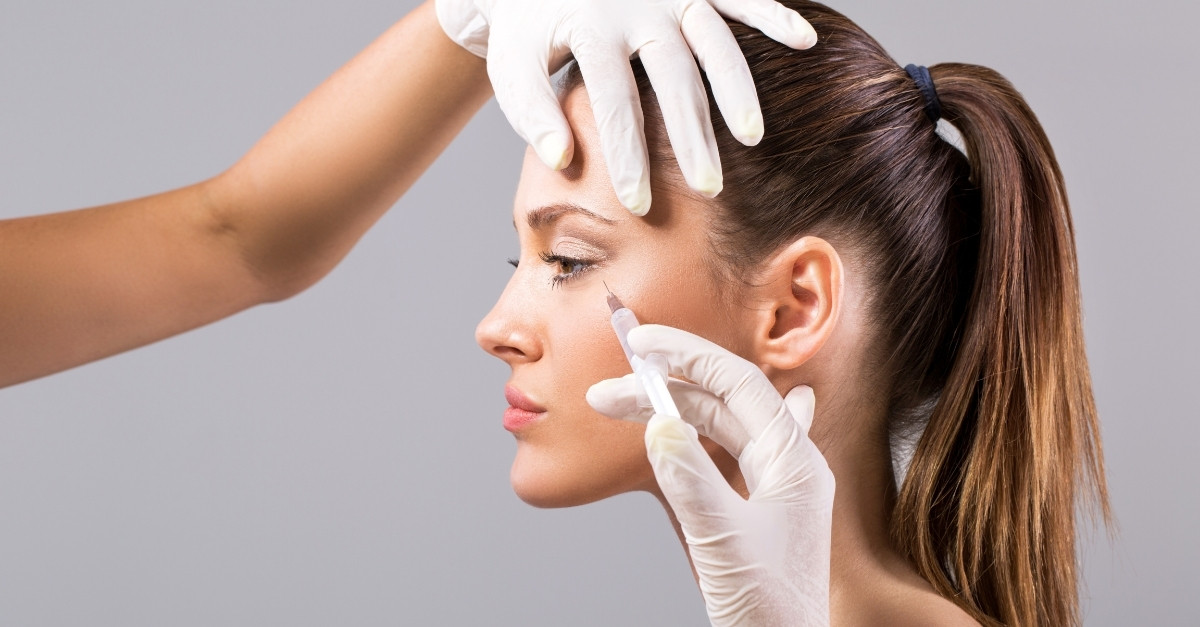
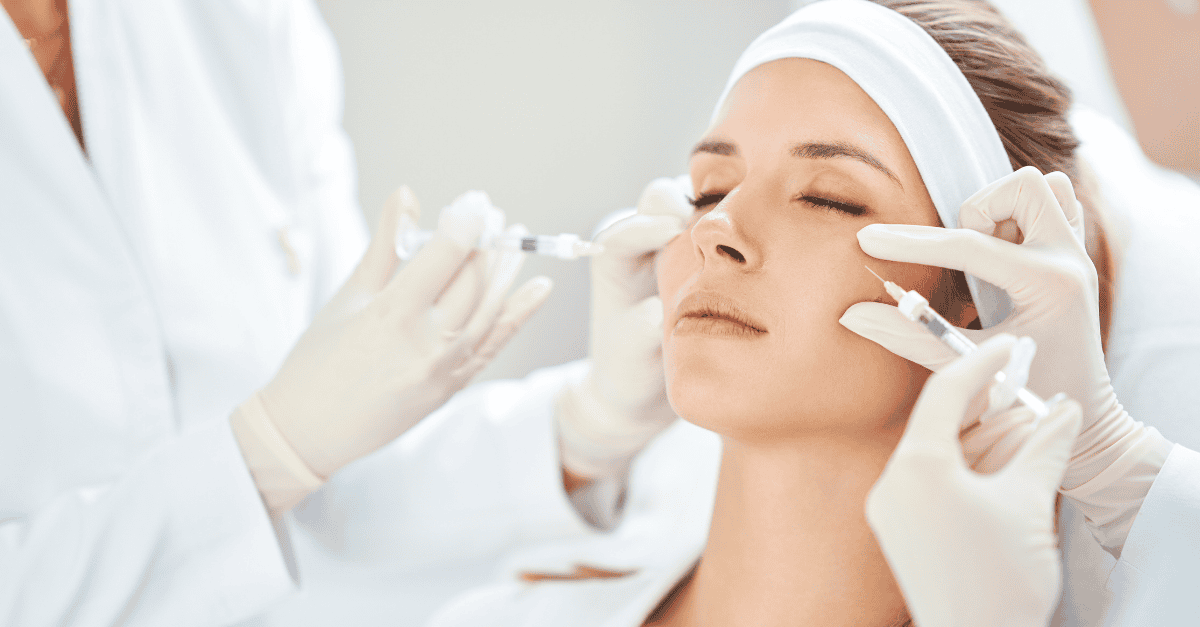
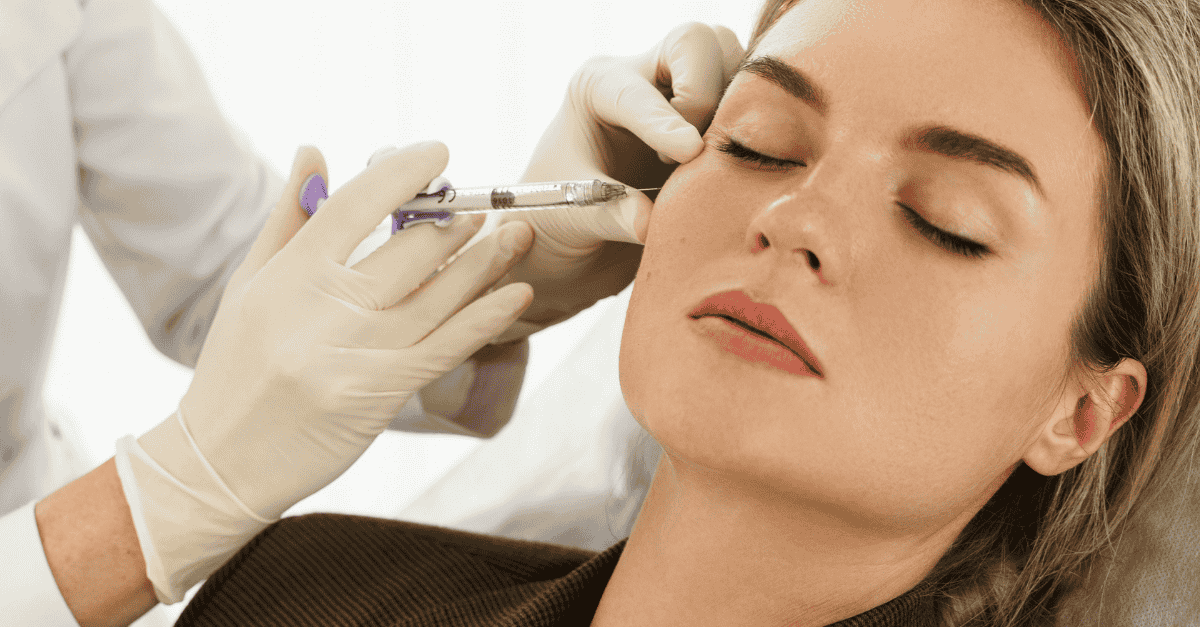
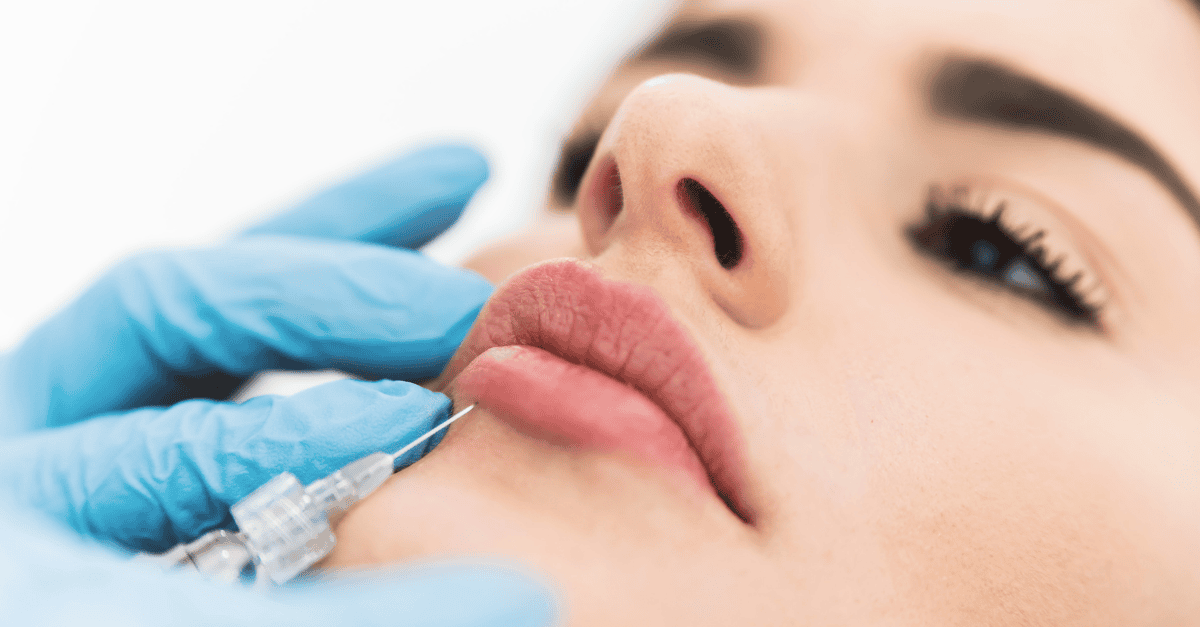
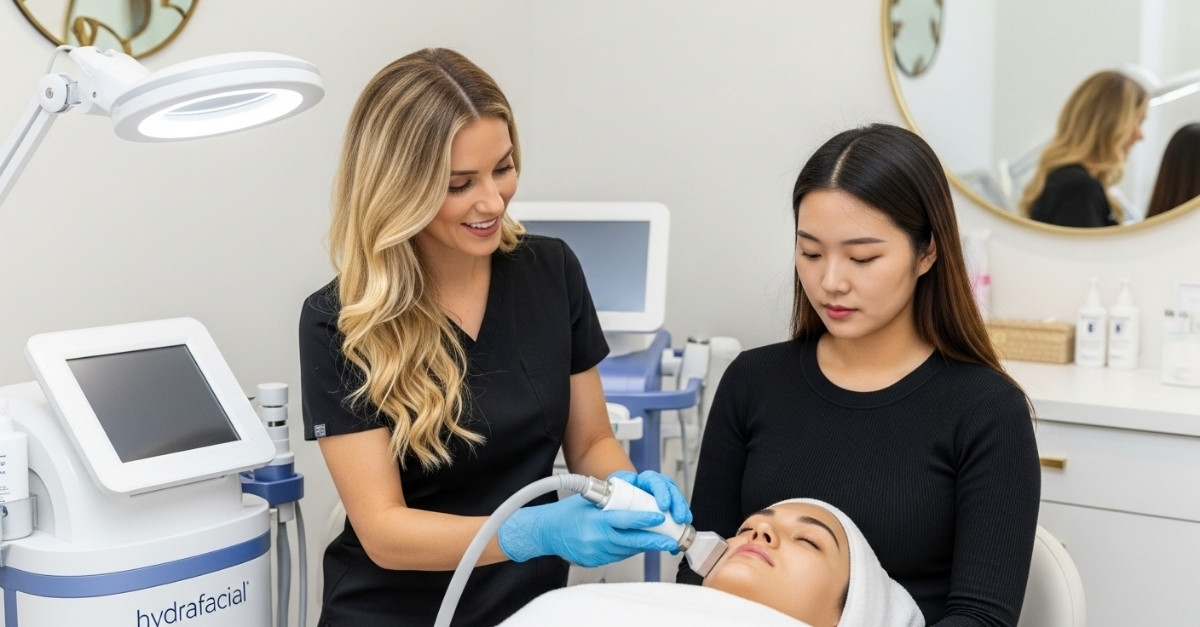
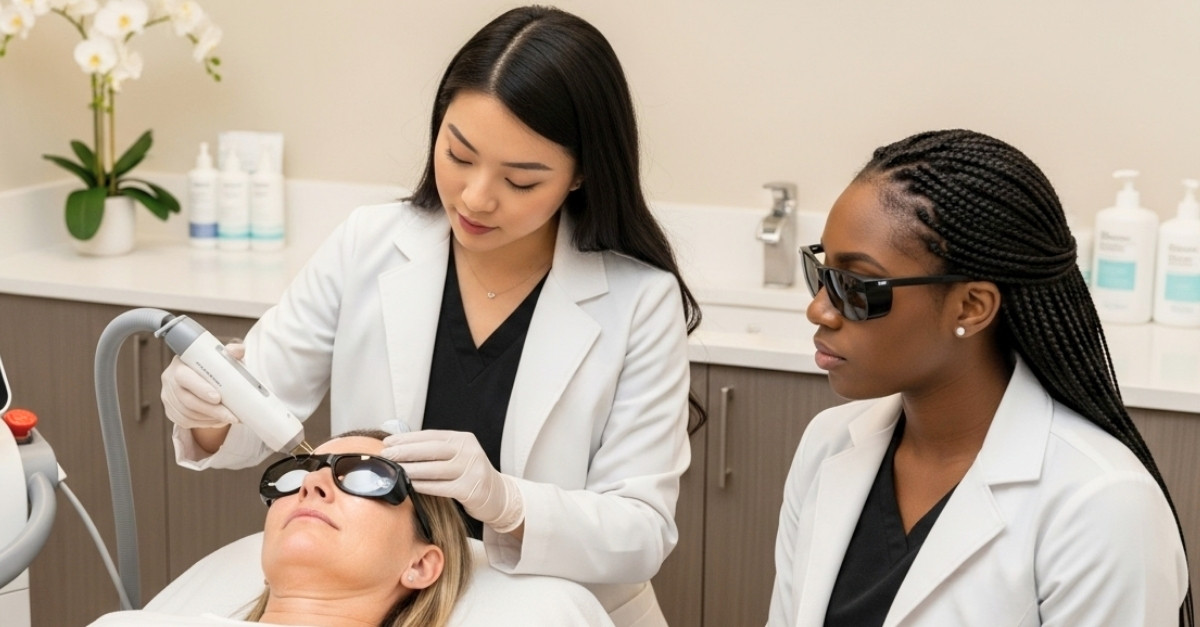
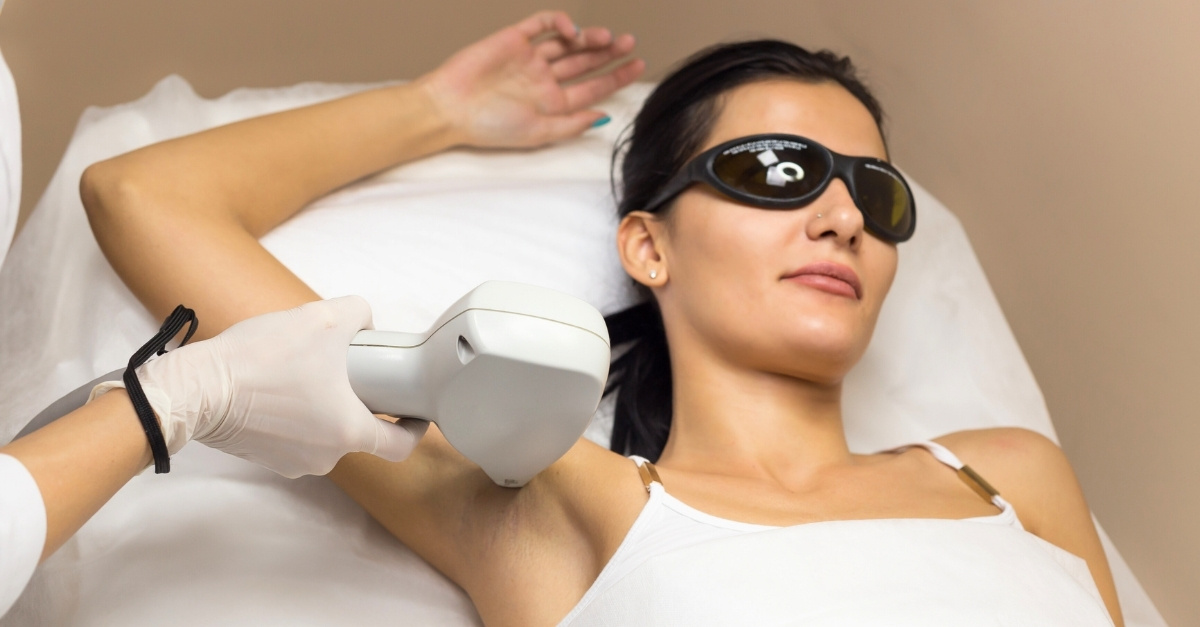
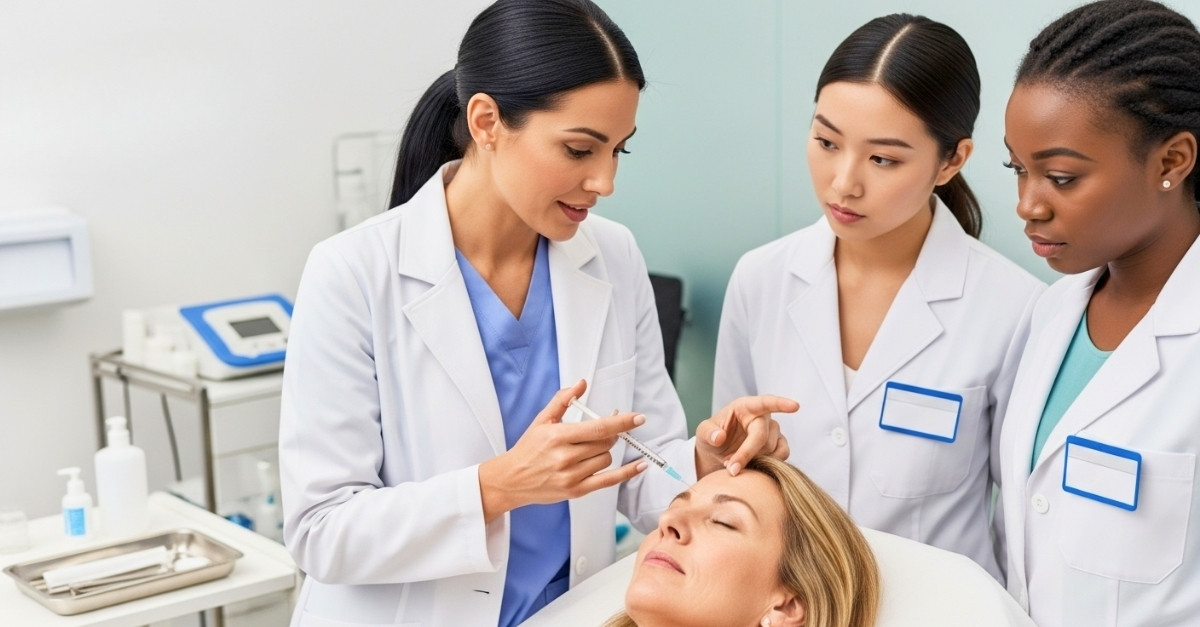
Choosing the right medical esthetician school is one of the most important decisions you'll make when starting a career in medical aesthetics. The quality of your education can influence your confidence, practical skills, and professional development long after graduation. As medical aesthetics continues to grow, prospective students throughout Mississauga, Port Credit, Toronto, and the GTA are looking for programs that combine comprehensive education with meaningful hands-on experience. Rather than choosing a course based on duration or cost alone, it's important to evaluate the curriculum, instructor expertise, clinical training, student support, and overall learning environment. This guide explains what to look for before enrolling in a medical esthetician program and how to identify a school that supports your long-term career goals. What Makes a Medical Esthetician Course Worth Choosing? A high-quality medical esthetician course should provide more than theoretical knowledge. It should prepare students to work confidently in professional aesthetic settings through a combination of classroom education, supervised practical learning, and career-focused instruction. Strong medical esthetician training introduces students to skin science, consultation techniques, treatment planning, infection prevention, professional ethics, and advanced aesthetic technologies. Equally important is learning how to communicate with clients, maintain treatment records, and deliver safe, professional care. When comparing schools, look beyond marketing claims and focus on how well the program prepares students for real-world practice. Look for a Complete Curriculum A comprehensive curriculum provides the foundation needed to build a successful career in medical aesthetics. A well-designed medical esthetician program should cover subjects such as skin anatomy and physiology, skin analysis, consultation skills, contraindications, infection prevention, laser hair removal, microneedling, chemical peels, skin rejuvenation technologies, treatment planning, documentation, and professional ethics. Learning multiple treatment modalities helps students understand how different procedures complement one another while preparing them to work in a variety of professional aesthetic environments. A broad education also encourages continuous professional growth as new technologies and treatment protocols emerge. Prioritize Hands-On Training One of the biggest differences between programs is the amount of practical education they provide. Hands-on training allows students to apply classroom knowledge in a supervised environment while developing confidence with equipment, treatment protocols, and client communication. Practical education should include consultation practice, treatment preparation, device operation, hygiene procedures, documentation, and instructor feedback. Students who gain meaningful practical experience often feel more comfortable transitioning into professional clinical settings because they have already worked through realistic treatment scenarios under guidance. Learn in a Real Clinic Environment The learning environment plays a significant role in preparing students for a career in medical aesthetics. Training in a setting that reflects the workflow of a professional clinic allows students to understand what day-to-day practice involves beyond performing treatments. A real clinic environment exposes students to client consultations, treatment room preparation, infection prevention protocols, equipment setup, professional documentation, and client communication. These experiences help bridge the gap between classroom theory and practical application. For students comparing schools in Mississauga, Port Credit, Toronto, and the GTA, choosing a program that offers clinical-style education can provide valuable insight into professional standards and patient care. Instructor Experience Matters Experienced instructors bring more than technical knowledge to the classroom—they share practical insights developed through years of working in the medical aesthetics industry. Learning from professionals with clinical experience gives students the opportunity to receive personalized feedback, improve treatment techniques, and better understand how aesthetic procedures are performed in real practice. Skilled instructors can also help students build confidence by demonstrating best practices, correcting techniques, and explaining how to approach different client needs safely and professionally. Mentorship throughout training often becomes one of the most valuable parts of a student's educational journey. Ask About Live Models and Practical Experience Working with live models under instructor supervision helps students apply their knowledge in realistic treatment situations while developing confidence and professionalism. Live model sessions allow students to practise consultations, perform skin assessments, communicate with clients, prepare treatment areas, and complete procedures while receiving immediate instructor guidance. Structured practical sessions also reinforce safety standards, professional etiquette, and treatment planning. When evaluating a medical esthetician school, ask how practical learning is delivered, whether live model experience is included, and how instructors supervise students throughout the training process. Diploma, Certificate, and School Credibility Understanding the difference between a medical esthetician diploma, individual certificates, and continuing education courses can help you choose a program that aligns with your career goals. A comprehensive medical esthetician program typically provides education across multiple treatment areas and develops a broad understanding of medical aesthetics. Individual certification courses, on the other hand, focus on specific procedures or technologies and are often used by professionals seeking to expand their existing skills. It's also worth considering the school's credibility. Look for an established training provider with experienced instructors, a comprehensive curriculum, practical learning opportunities, and a strong reputation for professional education. Reviewing course content, speaking with admissions staff, and understanding how the program supports students can help you make an informed decision. Student Support and Career Guidance Education shouldn't end when the final class is over. A quality medical esthetician school continues to support students throughout their learning journey by providing mentorship, answering questions, and encouraging ongoing professional development. Some schools also offer guidance with résumé preparation, interview readiness, portfolio development, and continuing education opportunities. While no institution can guarantee employment or career outcomes, access to knowledgeable instructors and ongoing support can help graduates feel better prepared as they enter the medical aesthetics industry. Why Choose SOLSKIN Academy? SOLSKIN Academy offers career-focused education designed to help students build practical skills through a combination of classroom instruction and supervised hands-on training. Students learn in a professional clinic environment using modern aesthetic technologies while developing confidence in consultation techniques, treatment planning, and client care. Small class sizes allow for individualized guidance, while experienced instructors provide practical feedback throughout the learning process. Students can also continue expanding their knowledge through Medical Aesthetics Courses, the Medical Esthetician Course, Laser Hair Removal Course, Microneedling Course, and Chemical Peel Course. Conveniently located in Port Credit, Mississauga, SOLSKIN Academy welcomes students from Toronto, the GTA, Oakville, Burlington, Milton, Vaughan, Richmond Hill, and Brampton, providing accessible, hands-on education for those pursuing a career in medical aesthetics. Conclusion Choosing the right medical esthetician school is about more than comparing course lengths or tuition—it’s about finding a program that equips you with the knowledge, practical skills, and professional confidence to succeed in medical aesthetics. As you evaluate different schools, look for a comprehensive curriculum, experienced instructors, supervised hands-on practical training, learning in a real clinic environment, live model experience, and ongoing student support. These elements can make a meaningful difference in your learning experience and help prepare you for professional opportunities throughout Mississauga, Port Credit, Toronto, Oakville, Burlington, Milton, Vaughan, Richmond Hill, Brampton, and the GTA. By investing in quality education and committing to continuous professional development, you'll be well positioned to begin a rewarding career in Ontario's growing medical aesthetics industry. Take the Next Step Explore medical esthetician courses, basic botox courses, laser hair removal courses at SOLSKIN Academy. Ready to get started? Head towards the academy registration page and register yourself and let our team build a treatment plan around your face, not a generic template. Contact SOLSKIN Academy and explore more. Visit a nearby location: Lakeshore & Cawthra – 729 Lakeshore Rd E, Mississauga SOLSKIN Academy proudly welcomes students from Port Credit, Mississauga, Toronto, the GTA, Oakville, Burlington, Milton, Brampton, Vaughan, and Richmond Hill who are ready to pursue a career in medical aesthetics. Frequently Asked Questions What should I look for in a medical esthetician school? Choose a school that offers a comprehensive curriculum, experienced instructors, supervised hands-on practical training, a real clinic environment, live model experience, and ongoing student support. These factors contribute to a well-rounded education and professional development. Do medical esthetician courses include hands-on training? Many reputable programs include supervised practical training where students gain experience with consultations, treatment preparation, professional equipment, and aesthetic procedures in a controlled learning environment. Will I receive a diploma or a certificate? The credential depends on the program. Comprehensive programs may award a medical esthetician diploma, while shorter or specialized courses often provide certificates focused on specific treatment areas. Can beginners enrol in a medical esthetician program? Yes. Many programs are designed for individuals who are new to medical aesthetics, while others also offer advanced courses for beauty professionals seeking to expand their skills. What treatments should a good medical esthetician course cover? A well-rounded program should include skin anatomy, consultation techniques, infection prevention, laser hair removal, microneedling, chemical peels, skin rejuvenation technologies, treatment planning, and professional ethics. How do I compare different medical aesthetics schools? Compare the curriculum, instructor experience, practical training opportunities, learning environment, student support, and continuing education options. Choosing a school that emphasizes career-focused learning and hands-on experience can help you make an informed decision.