

Complete Guide to Body Sculpting Courses in GTA
The demand for non-invasive aesthetic treatments continues to grow across GTA, creating exciting opportunities for individuals interested in expanding their skills or beginning a career in medical aesthetics. Whether you’re an aesthetician, wellness professional, or complete beginner, enrolling in a body sculpting course GTA can help you develop practical knowledge of modern body contouring technologies and professional treatment protocols.</span>
Today’s body sculpting education goes beyond learning how to operate a machine. Students are introduced to treatment planning, client consultation, safety procedures, and technologies designed to support muscle stimulation, body contouring, skin tightening, and improvements in the appearance of localized areas. This guide explains what you can expect from professional training, who can enrol, how certification works, and what career opportunities may be available after completing a course.</span>
What Is a Body Sculpting Course?
A body sculpting course is a professional training program that teaches students how to perform non-surgical body contouring treatments safely and responsibly. Depending on the academy and curriculum, training may cover equipment operation, client assessment, treatment planning, contraindications, consultation techniques, hygiene, and aftercare.</span>
It’s important to understand that body sculpting is an umbrella term rather than a single treatment. A course may introduce students to several technologies, including Electrical Muscle Stimulation (EMS), radiofrequency (RF), vacuum-assisted systems, and other non-invasive body contouring techniques. The exact curriculum varies depending on the school, the technologies included, the amount of practical training offered, and whether the program is designed for beginners or experienced professionals.</span>
Some academies offer body sculpting as a standalone course, while others include it within broader medical aesthetics training programs, allowing students to build a more comprehensive skill set.</span>
What Do Students Learn in a Body Sculpting Course?
A well-designed body sculpting training GTA program combines theoretical knowledge with supervised practical education. While every academy has its own curriculum, professional training should prepare students to understand both the science behind body contouring treatments and the responsibilities involved in working with clients.</span>
Students are typically introduced to anatomy and physiology, skin and tissue fundamentals, body composition, client consultation techniques, and treatment planning. They also learn how to identify appropriate treatment areas, recognise contraindications, operate professional equipment, position applicators correctly, maintain hygiene standards, and document treatments accurately.</span>
Quality training also places strong emphasis on client safety, before-and-after photography, aftercare guidance, and managing realistic expectations. Rather than simply teaching students how to operate a device, a comprehensive course helps them understand why different treatment decisions are made and when a procedure may or may not be appropriate.</span>
Business fundamentals, professional ethics, and communication skills are often included as well, helping students prepare for real clinical environments rather than classroom settings alone.</span>
Understanding EMS Body Sculpting Training
An EMS body sculpting course focuses on Electrical Muscle Stimulation technology, which creates controlled muscle contractions through specialized applicators. In aesthetic settings, EMS treatments may help support the appearance of improved muscle tone when incorporated into an appropriate treatment plan.</span>
During training, students learn how EMS technology works, common treatment areas, applicator placement, device settings, treatment timing, client positioning, contraindications, and safety protocols. They also learn how to conduct consultations and explain realistic treatment expectations to clients.
Professional education emphasizes that EMS treatments should not be described as a replacement for exercise or as a guaranteed solution for muscle growth or permanent fat reduction. Instead, students learn how to communicate the benefits and limitations of the technology responsibly.
Understanding RF Body Contouring Training
Another technology commonly included in body contouring training is radiofrequency (RF). RF treatments use controlled energy to heat targeted tissue and may help improve the appearance of firmer, smoother-looking skin as part of non-surgical aesthetic procedures.</span>
A typical RF body contouring course introduces students to tissue-heating principles, safe treatment parameters, temperature monitoring, client comfort, common treatment areas, contraindications, treatment protocols, and aftercare recommendations.</span>
As with every aesthetic technology, professional education focuses on safe operation, appropriate client selection, and realistic expectations. Students should understand that RF body contouring is designed to support aesthetic goals and should not be presented as a substitute for surgical procedures or as a guarantee of permanent results.</span>
What Is a Non-Surgical Body Sculpting Course?
A non-surgical body sculpting course focuses on aesthetic treatments that do not involve surgery, incisions, or general anesthesia. Instead, students learn how to use non-invasive technologies that may help improve body contours, skin appearance, or muscle tone while prioritizing client comfort and safety.</span>
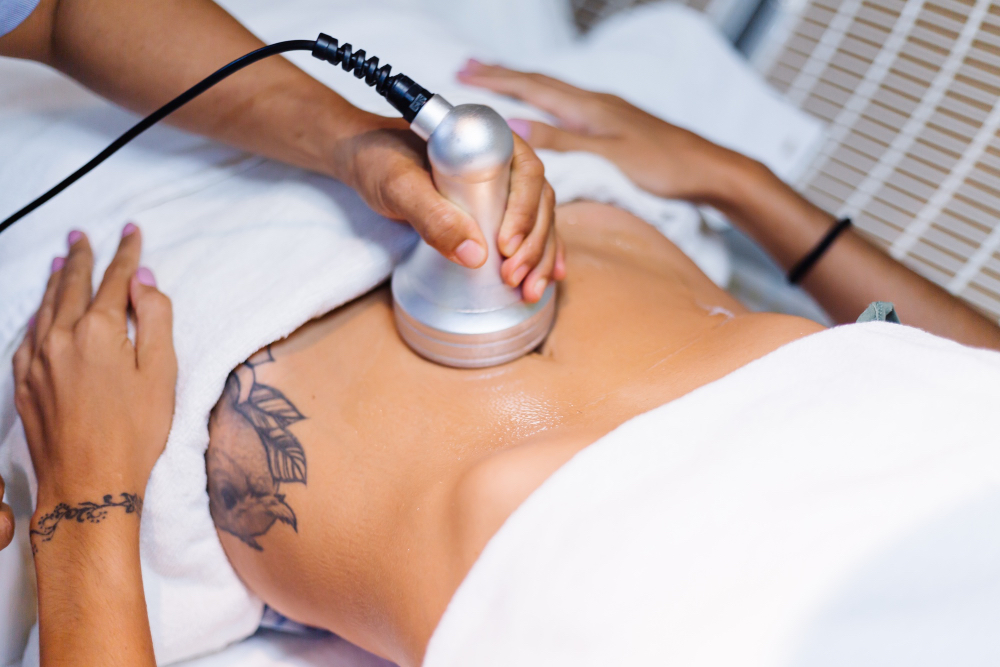
Depending on the academy, training may include technologies such as EMS, radiofrequency (RF), vacuum-assisted treatments, ultrasound-based body contouring, or combination systems. Not every training provider teaches the same technologies, so it’s important to review the course curriculum before enrolling.
Beyond learning how different devices work, students should understand treatment planning, contraindications, equipment safety, and appropriate client selection. This broader understanding helps practitioners make informed treatment decisions rather than relying solely on machine settings.
Who Can Enrol in Body Sculpting Training in GTA?
One of the reasons body contouring has become such a popular career pathway is that many training programs are designed for learners from a variety of backgrounds. Whether you’re entering the aesthetics industry for the first time or expanding an existing skill set, there are courses suited to different experience levels.</span>
Many students enrolling in body sculpting training GTA include:
- Complete beginners exploring a career in aesthetics.
- Licensed estheticians and medical estheticians.
- Beauty and wellness professionals.
- Medical spa and clinic employees.
- Entrepreneurs planning to introduce body contouring services.
Some beginner programs welcome students with little or no previous experience, while advanced courses may expect prior education in aesthetics or healthcare. Before registering, always review the academy’s admission requirements and confirm that the course aligns with your career goals.
It’s also important to remember that professional requirements can vary by province, employer, insurance provider, and scope of practice. Completing a course is an important educational milestone, but students should verify any local requirements before providing services professionally.
Why Hands-On Body Sculpting Training Matters
Body sculpting is a practical profession, which means students need more than classroom instruction to develop confidence. While theoretical learning explains treatment principles, hands-on education allows students to apply that knowledge under professional supervision.
During practical sessions, students learn how to prepare treatment areas, position clients correctly, operate equipment safely, communicate throughout the procedure, and document treatments accurately. They also gain experience recognising contraindications, selecting appropriate treatment settings, and providing aftercare recommendations.
These practical experiences help bridge the gap between theory and real clinical practice. Rather than simply observing demonstrations, students develop familiarity with professional treatment workflows while building confidence in their technical and communication skills.</span>
At SOLSKIN Esthetics Academy, supervised practical learning is an important part of the educational experience. Students work with professional equipment while learning consultation techniques, treatment protocols, hygiene standards, and client care in an environment designed to reflect real aesthetic practice. This practical approach helps prepare graduates for continued professional development, without suggesting that a single course creates complete expertise.
Body Sculpting Certification vs Course Completion
When researching training programs, you’ll often come across terms such as body sculpting certification, certificate of completion, and diploma. Although they sound similar, they don’t always mean the same thing.
A certificate of completion generally confirms that a student has successfully finished a particular training program. A body sculpting certification usually indicates professional education in body contouring techniques and equipment. A diploma, however, is typically a broader academic qualification that covers multiple areas of medical aesthetics over a longer period.
It’s important to understand that a course certificate is not automatically a government-issued licence, nor does it automatically authorize someone to perform every treatment independently. Requirements may vary depending on provincial regulations, insurance providers, employers, and equipment manufacturers.
Before enrolling in any program, take time to review the curriculum, understand the scope of training, and confirm what type of certification is awarded. Choosing a course based on educational quality rather than certification alone can provide stronger long-term value.
How Long Does a Body Sculpting Course Take?
There is no single answer to how long a body sculpting course GTA takes because every academy structures its programs differently. Course length often depends on the technologies being taught, whether the program is designed for beginners or experienced professionals, the amount of supervised practical training included, and whether body sculpting is offered as a standalone course or part of a broader medical aesthetics curriculum.</span>
Instead of focusing only on the shortest or least expensive option, consider the overall learning experience. A comprehensive program that combines theory, practical education, and ongoing support is often more valuable than a course that prioritizes speed over skill development.</span>
As you compare different programs, ask about hands-on practice, instructor support, live model training, and opportunities for continuing education. These factors can have a significant impact on your confidence and preparedness once you begin working with clients.
What Career Opportunities Are Available?
Completing a body sculpting course GTA can open the door to a range of opportunities within the growing medical aesthetics industry. While career paths vary depending on your education, practical experience, employer expectations, and provincial requirements, body contouring can become a valuable addition to an existing skill set or the foundation for a new career.</span>
Many graduates choose to work in medical spas, aesthetic clinics, wellness centres, and beauty practices where non-invasive body contouring services are offered. Others expand their existing businesses by adding body sculpting treatments to complement facial aesthetics, laser services, or skin rejuvenation treatments. Some professionals also pursue roles in treatment consulting, equipment education, or clinic support.
It’s important to remember that completing a training program does not guarantee employment or business success. Long-term career growth depends on continued education, practical experience, professionalism, and the ability to deliver safe, client-focused care.
Benefits of Adding Body Sculpting to an Aesthetics Career
Body sculpting has become an increasingly popular service because it complements many other non-invasive aesthetic treatments. For professionals already working in beauty or medical aesthetics, learning body contouring techniques can broaden their expertise and expand the range of services they offer.</span>
Developing skills in modern aesthetic technologies may also help practitioners create more comprehensive treatment plans, support clients interested in non-surgical options, and increase their versatility within clinics and wellness centres. As technology continues to evolve, professionals who invest in continuing education are often better prepared to adapt to changing client expectations and industry trends.</span>
Whether you’re beginning your career or looking to enhance your current qualifications, body sculpting education can become an important part of your long-term professional development.</span>
How to Choose a Body Sculpting Course in GTA
Choosing the right training provider involves more than comparing tuition fees or course duration. A high-quality program should prepare students to understand treatment science, operate equipment safely, communicate effectively with clients, and apply professional treatment protocols.</span>
Before enrolling, consider the following questions:
- Does the curriculum cover multiple body contouring technologies?
- How much supervised hands-on training is included?
- Will you practise with professional equipment and live models?
- Does the course include consultation techniques, contraindications, and client safety?
- What type of certificate is awarded upon completion?
- Are continuing education opportunities available after graduation?
The strongest programs combine classroom learning with supervised practical experience, helping students develop confidence before working in professional settings.
Why Choose SOLSKIN Esthetics Academy?
When selecting a body sculpting course GTA, it’s worth choosing an academy that emphasizes practical education alongside theoretical learning. SOLSKIN Esthetics Academy is committed to helping students build real-world skills through career-focused medical aesthetics training.
Students benefit from hands-on instruction, guidance from experienced educators, and opportunities to practise professional treatment protocols in a supportive learning environment. Beyond equipment operation, the curriculum emphasizes client consultation, treatment planning, hygiene, safety, and professional communication—skills that are essential for success in modern aesthetic practice.</span>
Whether you’re completely new to aesthetics or expanding your existing qualifications, SOLSKIN Academy offers learning opportunities designed to help students develop confidence while preparing for careers in the growing medical aesthetics industry.</span>
Questions to Ask Before Enrolling
Before choosing a training provider, take time to evaluate the program carefully. Asking the right questions can help ensure that the course matches your career goals and learning expectations.
Consider asking:
- Which body sculpting technologies are covered?
- Is the course suitable for beginners?
- How much practical, hands-on training is included?
- Will students work with professional equipment and live models?
- What type of certificate is awarded after completion?
- Are consultation techniques, contraindications, and safety protocols included?
- Is ongoing student support or continuing education available?
- What career pathways can this training help prepare me for?
A transparent training provider should be able to answer these questions clearly before you enrol.
Start Your Body Sculpting Training With SOLSKIN Esthetics Academy
Choosing the right body sculpting course GTA is an investment in your future. The best programs combine theoretical knowledge with practical experience. This helps students understand body contouring technologies, client consultation, treatment safety, and professional treatment planning.</span>
If you’re ready to begin your journey in medical aesthetics, SOLSKIN Esthetics Academy offers practical, career-focused education designed for beginners, estheticians, and beauty professionals looking to expand their skills.</span>
Take Next Step
Explore body sculpting, body sculpting courses, medical esthetician courses at SOLSKIN Spa. Ready to get started? Contact us today to know more information about aesthetic courses and enroll one today. Head towards the academy registration page and register yourself. Contact SOLSKIN Academy and explore more.
Visit Our SolSkin Academy location:
- Lakeshore & Cawthra – 729 Lakeshore Rd E, Mississauga
Frequently Asked Questions
Is body sculpting a good career in GTA?
Body sculpting can be a valuable addition to a broader medical aesthetics career. Career opportunities depend on your education, practical experience, employer requirements, location, insurance eligibility, and commitment to continuing professional development.
Do I need previous aesthetics experience to take a body sculpting course?
Not always. Some body sculpting training GTA programs are designed for beginners, while others are intended for experienced aesthetics professionals. Always review the admission requirements before enrolling.
What does a body sculpting course include?
Most professional courses include anatomy, client consultation, contraindications, equipment operation, treatment planning, safety protocols, supervised practical training, treatment documentation, and aftercare education.</span>
Is a body sculpting certificate the same as a diploma?
No. A body sculpting certification or certificate generally confirms successful completion of a specific training program. A diploma usually represents broader education covering multiple areas of medical aesthetics over a longer period.
What is the difference between EMS and RF body sculpting?
EMS uses electrical muscle stimulation to create controlled muscle contractions, while RF body contouring uses controlled radiofrequency energy to support improvements in the appearance of skin firmness and body contours. Each technology has different applications and should be used according to appropriate treatment protocols.
How do I choose the best body sculpting course in GTA?
Compare course curriculum, instructor experience, practical training hours, equipment access, live model practice, safety education, student support, certification, and continuing education opportunities. A comprehensive program that prioritizes hands-on learning often provides stronger preparation than choosing solely based on cost or course length.
