Body Sculpting Training in Toronto: Everything You Need to Know Before You Enroll
As non-invasive body contouring continues to gain popularity, more students and beauty professionals are exploring body sculpting training Toronto to expand their skills or begin a career in medical aesthetics. Whether you’re new to the industry or looking to add advanced services to your existing practice, choosing the right training program is an important first step.
Professional body sculpting education goes beyond learning how to operate equipment. It introduces students to treatment planning, client consultation, safety protocols, and modern body contouring technologies while providing practical experience in a supervised environment. This guide explains what to expect from body sculpting training in Toronto, including course structure, technologies, certification, career opportunities, and how to choose the right academy.
What Is Body Sculpting Training?
Body sculpting training is professional education focused on non-surgical body contouring treatments designed to improve the appearance of body contours using advanced aesthetic technologies. Students learn how to perform treatments responsibly while developing an understanding of client assessment, equipment operation, treatment planning, hygiene, and safety.
It’s important to distinguish body sculpting from weight-loss treatments or surgery. Non-invasive body contouring procedures are designed to support aesthetic goals and should not be presented as a replacement for healthy lifestyle habits, medical care, or surgical procedures. Throughout training, students learn how to communicate realistic treatment expectations while prioritizing client wellbeing.
What Does a Body Sculpting Course in Toronto Include?
A professional body sculpting course Toronto combines theoretical education with practical learning to prepare students for real clinical environments. While each academy structures its curriculum differently, comprehensive programs typically cover the knowledge and practical skills required to perform treatments safely and confidently.
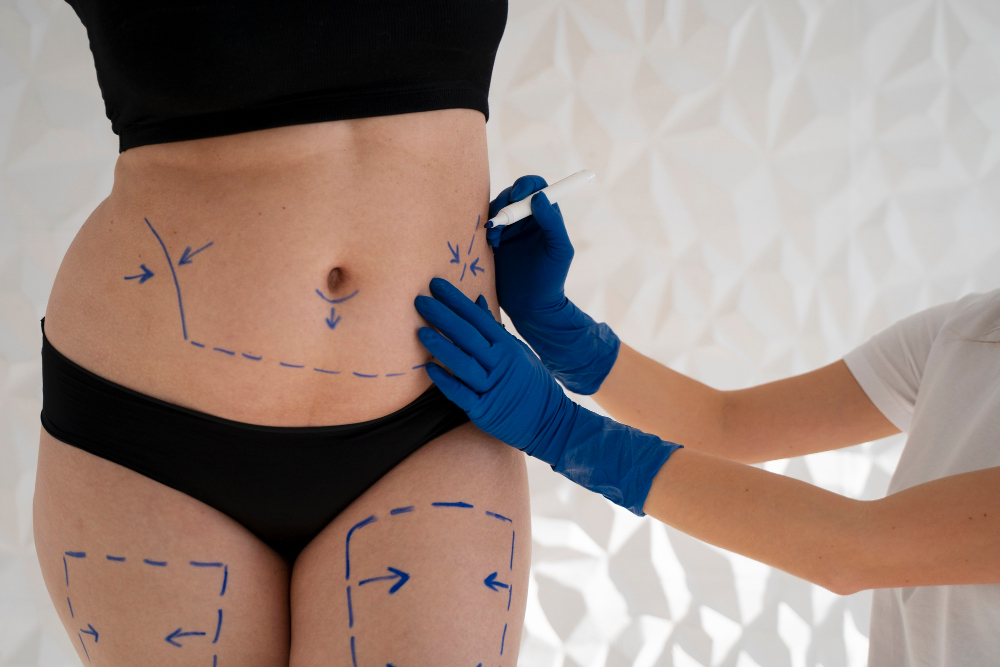
Students usually begin by learning anatomy and physiology, body composition, and tissue fundamentals before progressing to client consultations, treatment-area assessment, contraindications, and treatment planning. They also develop an understanding of equipment operation, device settings, applicator placement, client positioning, hygiene protocols, treatment documentation, and aftercare.
Many programs also introduce business fundamentals, helping students understand professional consultation, service planning, and client communication. Rather than focusing only on operating equipment, quality education teaches students how to make responsible treatment decisions based on each client’s individual needs.
How Are Toronto Body Sculpting Courses Structured?
Although every academy has its own teaching approach, many body sculpting classes Toronto follow a similar progression that combines classroom instruction with practical experience.
Training usually begins with theory-based learning, where students develop a foundation in anatomy, body contouring technologies, contraindications, client assessment, treatment planning, and professional responsibilities. Understanding these principles first helps students appreciate why treatments are performed in specific ways before moving on to practical sessions.
Instructor demonstrations typically follow, allowing students to observe equipment preparation, device operation, treatment techniques, client positioning, and post-treatment procedures performed by experienced educators. Watching complete treatment workflows gives students valuable context before they begin practising themselves.
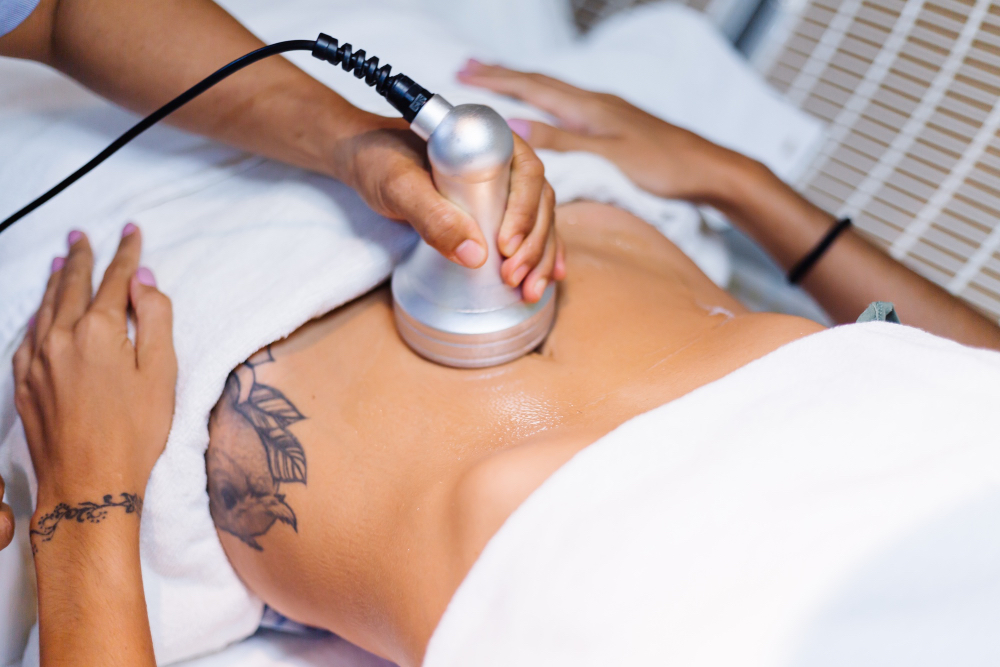
The most valuable part of any program is supervised hands-on training. Under instructor guidance, students practise consultations, equipment setup, applicator placement, treatment protocols, documentation, and aftercare while receiving immediate feedback to improve their confidence and technique.
Many academies also include practical assessments, written quizzes, or instructor evaluations to ensure students understand both the theoretical and practical aspects of body sculpting before completing the course.
What Is EMS Body Sculpting?
One of the most taught technologies in modern body contouring is Electrical Muscle Stimulation, often referred to as EMS body contouring training. EMS uses controlled electrical impulses to create muscle contractions through specialized applicators placed on selected treatment areas.
During professional training, students learn how EMS technology works, common treatment areas, applicator placement, treatment timing, client positioning, contraindications, and safety protocols. They also learn how to adjust treatment settings appropriately while maintaining client comfort throughout the session.
Professional education emphasizes responsible communication with clients. EMS treatments may help improve the appearance of muscle tone as part of an individualized treatment plan, but they should never be presented as a replacement for exercise, a guaranteed muscle-building solution, or an alternative to surgery.
What Is RF Body Contouring Training?
Alongside EMS, many academies introduce students to radiofrequency (RF) technology as part of a comprehensive RF body contouring course. RF treatments use controlled energy to heat targeted tissue and may help improve the appearance of firmer, smoother-looking skin while supporting non-invasive body contouring goals.
Professional training focuses on much more than operating an RF device. Students learn the principles behind tissue heating, how to monitor treatment temperatures, identify appropriate treatment areas, and recognise contraindications before beginning a procedure. Safe treatment parameters, client comfort, aftercare, and treatment documentation are also essential parts of the learning process.
Like all aesthetic technologies, RF treatments require realistic client education. Students are taught that outcomes vary between individuals and that RF body contouring should not be presented as an alternative to surgery or as a treatment that guarantees permanent results.
What Is Non-Invasive Body Sculpting Training?
A non-invasive body sculpting training program focuses on aesthetic treatments that do not require surgical incisions or general anesthesia. Instead, students learn how different body contouring technologies can be incorporated into professional treatment plans while prioritizing safety and client care.
Depending on the academy, training may include Electrical Muscle Stimulation (EMS), radiofrequency, vacuum-assisted treatments, ultrasound-based body contouring, or combination platforms. Not every course covers every technology, which is why reviewing the curriculum before enrolling is so important.
Understanding how each technology works is only part of professional education. Students also learn when treatments may or may not be appropriate, how to develop treatment plans, and how to communicate realistic expectations with clients. This broader approach helps practitioners make informed decisions instead of relying solely on equipment settings.
Who Can Enrol in Body Sculpting Training in Toronto?
Body sculpting education attracts students from a wide range of professional backgrounds. Some enrol to begin a completely new career, while others use training to expand the services they already provide within the beauty or wellness industry.
Many Toronto programs welcome complete beginners alongside estheticians, medical estheticians, beauty professionals, spa employees, wellness practitioners, and entrepreneurs. Some students also pursue body contouring education as part of their continuing professional development.
Admission requirements vary depending on the academy, course level, and technologies being taught. Before enrolling, it’s important to confirm any prerequisites and understand whether previous industry experience is recommended.
Students should also remember that completing one course does not automatically authorize every graduate to perform every treatment. Employer requirements, insurance eligibility, provincial regulations, and professional scope of practice may differ, so these should always be verified before offering services professionally.
Why Hands-On Practice Matters
One of the biggest differences between an average course and a high-quality training program is the amount of supervised practical education it provides. While theoretical learning builds essential knowledge, confidence develops through repeated hands-on experience.
Practical training allows students to conduct consultations, prepare treatment rooms, position clients correctly, operate equipment safely, monitor treatment progress, and communicate effectively throughout the procedure. Students also learn how to document treatments accurately and provide appropriate aftercare instructions.
This practical experience helps transform classroom concepts into real clinical skills. Rather than simply watching demonstrations, students gain experience working through complete treatment workflows while receiving feedback from experienced instructors.
At SOLSKIN Esthetics Academy, supervised practical learning is an important part of the educational approach. Students practise professional treatment protocols while developing consultation skills, understanding contraindications, and building confidence with body contouring equipment in a supportive learning environment. The focus is on creating a strong educational foundation that students can continue building through ongoing professional experience.
What Does Body Contouring Certification Mean?
When researching body contouring certification Toronto, you’ll likely come across terms such as certificate of completion, certification, and diploma. Although these terms are sometimes used interchangeably, they have different meanings.
A certificate of completion generally confirms that a student has successfully finished a specific training program. Body sculpting certification demonstrates completion of professional education in body contouring techniques, while a diploma usually represents a broader academic program covering multiple areas of medical aesthetics.
It’s also important to understand what certification does not represent. Completing a course does not automatically provide a government-issued licence or authorize independent practice in every setting. Requirements may vary depending on employers, insurance providers, equipment manufacturers, and provincial regulations.
For this reason, prospective students should compare the quality of education, practical experience, instructor support, and continuing education opportunities—not simply the certificate awarded at the end of the course.
What Equipment Training Should a Course Include?
Learning how to operate aesthetic equipment involves much more than switching on a device. A professional body sculpting course Toronto should help students understand how different technologies work while emphasizing safe operation and responsible treatment planning.
Comprehensive equipment training should cover technology fundamentals, device setup, treatment settings, applicator placement, client positioning, and monitoring treatment intensity or temperature where appropriate. Students should also learn hygiene procedures, equipment cleaning, routine maintenance, treatment documentation, and emergency stopping procedures.
Equally important is understanding contraindications and knowing when a treatment may not be suitable. This knowledge allows practitioners to make informed decisions while prioritizing client safety. When comparing training providers, look for programs that include supervised practice with professional equipment rather than theory alone.
How Long Does Body Sculpting Training Take?
There is no standard timeline for completing body sculpting training Toronto, as every academy structures its courses differently. Program length often depends on the number of technologies included, whether the course is designed for beginners or experienced professionals, and the amount of supervised practical training provided.
Some programs focus on a single technology, while others introduce several body contouring treatments as part of a broader medical aesthetics training Toronto curriculum. Courses may also differ in how much time is dedicated to classroom learning, live demonstrations, practical sessions, and assessments.
Rather than choosing a program simply because it is shorter or less expensive, consider how well it prepares you for real clinical practice. Practical experience, instructor support, and opportunities to work with professional equipment often provide greater long-term value than course duration alone.
What Career Paths Can Body Sculpting Training Support?
Professional body sculpting training Toronto can support a variety of career pathways within the aesthetics and wellness industry. Opportunities will vary depending on your education, practical experience, employer requirements, insurance eligibility, and local regulations.
Many graduates pursue roles in medical spas, aesthetic clinics, wellness centres, and beauty studios as body contouring specialists or medical estheticians. Others choose to expand an existing beauty business by introducing non-invasive body contouring services. There may also be opportunities in treatment consulting, equipment education, clinic support, or business ownership where appropriate.
While completing a training program strengthens your knowledge and practical skills, success in the industry depends on ongoing learning, professionalism, and experience. A course provides a strong foundation, but career development continues well beyond graduation.
Questions to Ask Before Enrolling
Before committing to any training provider, it’s worth taking time to compare your options carefully. Asking the right questions can help you choose a course that aligns with your career goals and learning expectations.
Consider asking:
- Is the course suitable for beginners?
- Which body contouring technologies are included?
- Are EMS and RF training part of the curriculum?
- How much supervised hands-on practice is provided?
- Will students train with professional equipment and live models?
- What certificate is awarded upon completion?
- Are consultation techniques and contraindications covered?
- Is post-course support available?
- What continuing education opportunities are offered?
A reputable academy should be transparent about its curriculum, practical training, student support, and certification before you enrol.
How to Choose the Right Body Sculpting School in Toronto
Choosing the right body sculpting school Toronto involves looking beyond tuition fees or marketing claims. A quality training provider should prepare students with both theoretical knowledge and practical skills that reflect the realities of modern medical aesthetics.
Look for a school that offers a comprehensive curriculum, experienced instructors, supervised hands-on training, professional equipment, consultation education, safety protocols, and practical assessments. Smaller class sizes and ongoing student support can also contribute to a more effective learning experience.
Most importantly, choose an academy that prioritizes practical confidence rather than simply course completion. The strongest programs help students understand not only how treatments are performed, but also why they are performed in specific ways.
Why Choose SOLSKIN Esthetics Academy?
For students considering body sculpting training Toronto, SOLSKIN Esthetics Academy provides career-focused education that balances classroom learning with practical experience. The Academy is committed to helping beginners, estheticians, and beauty professionals build confidence through supervised, hands-on instruction.
Students learn more than equipment operation. Training emphasizes consultation skills, treatment planning, hygiene, client communication, safety protocols, and professional responsibility—essential components of successful body contouring practice.
Those interested in expanding their qualifications can also explore additional Medical Aesthetics Courses, Laser Training, and the Medical Esthetician Bundle, creating opportunities to build a broader skill set within the aesthetics industry.
Prepare for Your Body Sculpting Career in Toronto
Choosing the right body sculpting training Toronto program is an investment in your future. The best courses combine theory, practical education, consultation skills, equipment training, and client safety to prepare students for real-world aesthetic practice.
If you’re ready to begin your journey, SOLSKIN Esthetics Academy offers beginner-friendly, career-focused training designed to help students develop confidence with modern body contouring technologies in a supportive learning environment.
Take the Next Step
Explore body sculpting, body sculpting courses, medical esthetician courses at SOLSKIN Spa. Ready to get started? Contact us today to learn more information about body sculpting courses and enroll youself in. Head towards the academy registration page and register yourself. Contact SOLSKIN Academy and explore more.
Visit Our SolSkin Academy location:
- Lakeshore & Cawthra – 729 Lakeshore Rd E, Mississauga
Frequently Asked Questions
Do I need previous experience to take body sculpting training in Toronto?
Not necessarily. Many beginner-friendly programs welcome students with no prior aesthetics experience, while advanced courses may have specific prerequisites. Always review the admission requirements before enrolling.
What does a body sculpting course include?
A professional course typically covers anatomy, client consultation, contraindications, equipment operation, treatment planning, supervised practical training, hygiene, documentation, and aftercare.
What is the difference between EMS and RF body sculpting?
EMS uses controlled electrical impulses to stimulate muscle contractions, while RF body contouring uses controlled radiofrequency energy to heat targeted tissue and may help improve the appearance of firmer, smoother-looking skin. Each technology has different applications and training requirements.
Will I receive a certificate after training?
Many academies provide a certificate of completion after students successfully finish the course. Before enrolling, confirm what certification is awarded and what it represents within your intended workplace or professional setting.
Can body sculpting training lead to a medical spa career?
Professional training may support opportunities in medical spas, aesthetic clinics, and wellness centres. Career outcomes depend on factors such as education, experience, employer requirements, insurance eligibility, and continuing professional development.
How do I find the best body sculpting course in Toronto?
Compare the curriculum, instructor experience, supervised hands-on training, equipment access, consultation education, safety instruction, student support, and continuing education opportunities. A program that emphasizes practical learning often provides stronger preparation than one chosen solely for its price or duration.
